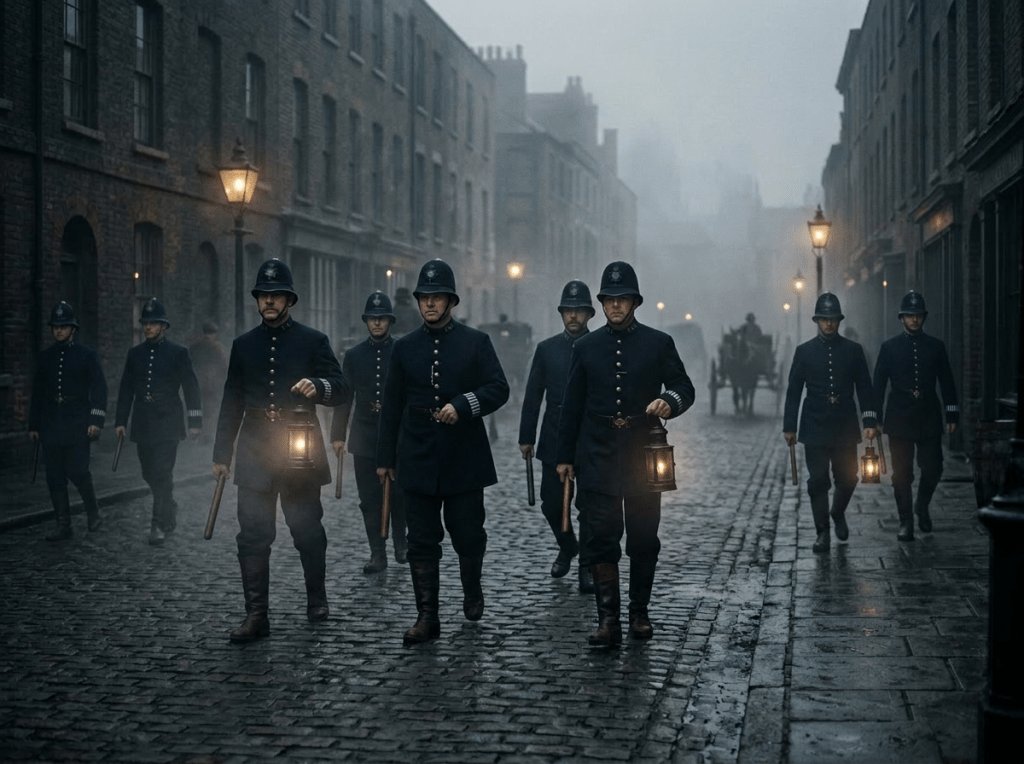
The police were created to control the dangerous classes.— Daniel Davis
What If the System Is Working Exactly as Designed?
Most public conversations about policing start from the assumption that the police exist to keep everyone safe. So when things go wrong, the explanation is usually framed as failures: a lack of training, not enough resources, leadership problems, or a few bad apples.
This makes reform seem straightforward: fix the culture, improve training, strengthen accountability, and rebuild trust. But what if the problems in British policing aren’t failures at all? What if they are features? Expressions of the logic that the institution was built on?
This chapter looks back to the birth of modern policing in Britain, long before body-worn cameras, risk panels, or digital intelligence, and asks what kind of society created the police, and what it needed them to do?
The uncomfortable reality is that the police were not created as a neutral public service. Policing was designed as a mechanism of social order to protect private property and wealth, and manage populations considered to be the most disorderly — the dangerous classes. The institution was built for a specific job, and that job was never about keeping everyone equally safe.
For today’s practitioners, this history matters. When distrust persists, disproportionality refuses to disappear, and reform cycles repeat without resolution, it’s often because the system’s foundations remain intact — even when the language used to describe them has changed.
The World Before The Police: Disorder, Inequality, and the Problem of the Poor
To understand why Britain invented the Metropolitan Police, you first need to know what came before.
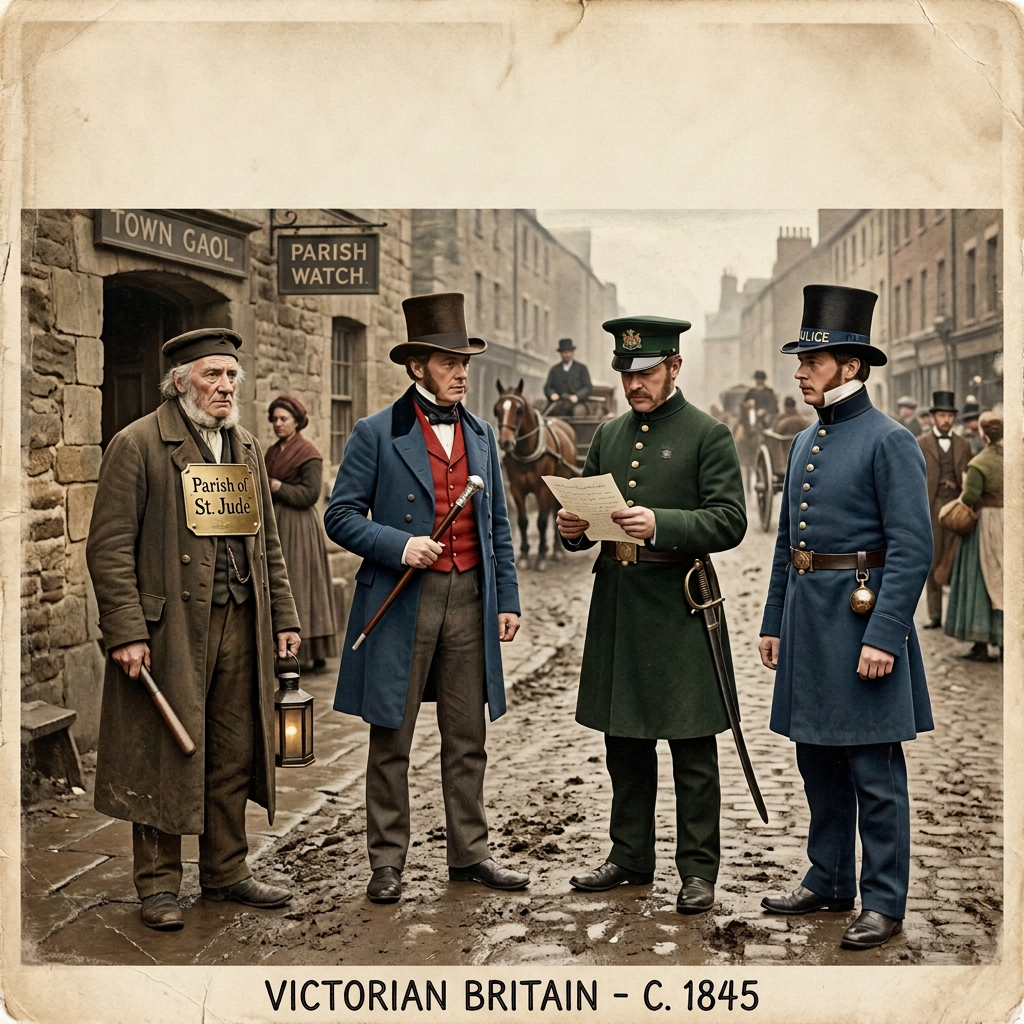
For most of British history, there was no centralised policing system. Order was stitched together locally through a patchwork of parish constables, night watchmen, volunteer patrols, magistrates’ courts, private thief-takers, armed militias, and, in emergencies, the army.
These arrangements didn’t keep everyone safe, mostly protecting those who already had power and property, while doing little for those without. But the system held together until the world around it changed.
Industrialisation: the crisis that birthed policing
Between the late 1700s and early 1800s, Britain was transformed. Factories replaced farms, and cities swelled as the rural poor became the urban poor. Crowded neighbourhoods were growing faster than anyone could manage.
For Britain’s ruling classes, this was more than just demographic change. It was a political emergency. What they feared wasn’t crime in the modern sense, but the dangerous potential of the poor when gathered in large numbers. They feared riots, strikes, collective action, and disorder spreading across the new industrial cities.
The “problem” wasn’t violence — it was visibility
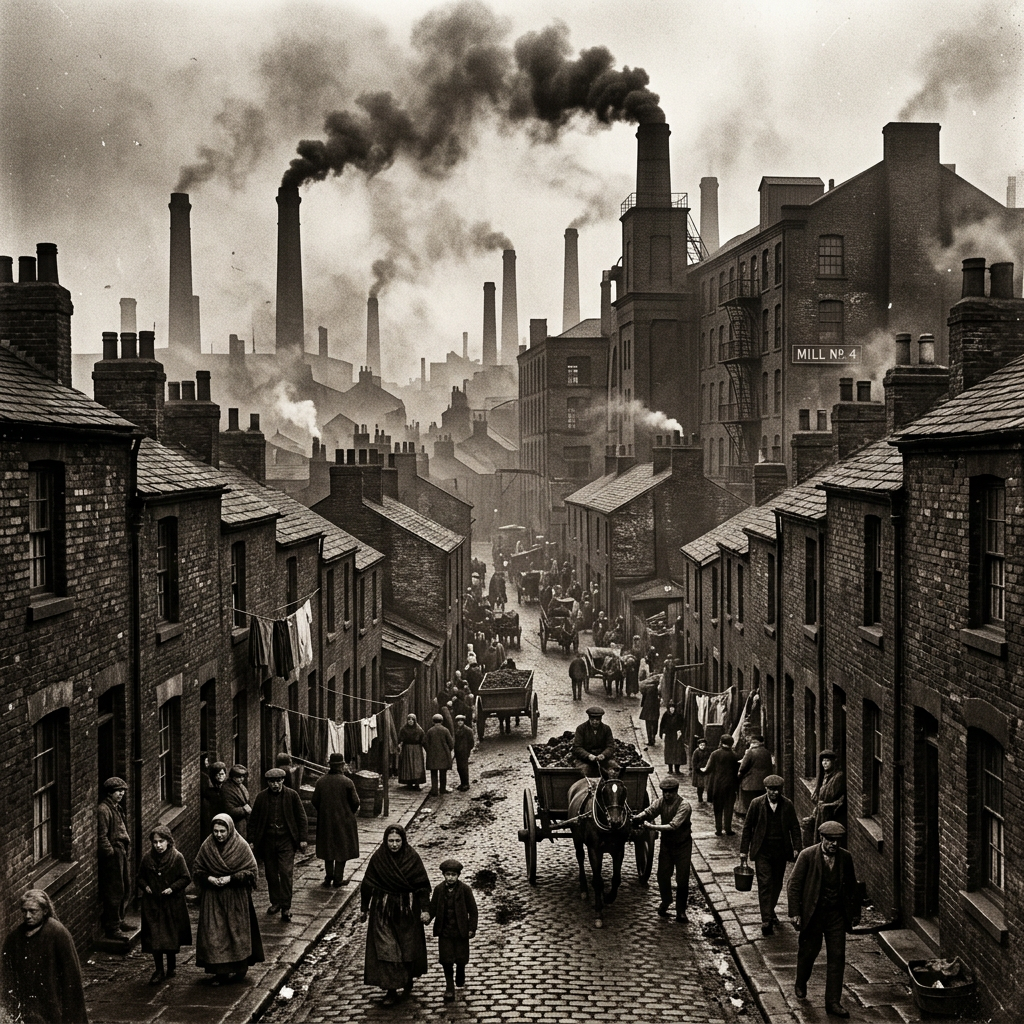
The poor had always been part of British society, but what changed in the industrial era was how many there were, and where they now lived. Densely packed into growing cities and essential to the new economy, they were harder to contain and increasingly aware of their collective power. The old patchwork systems of order could no longer manage the pressures of crowded streets and rising political demands. A new form of control was needed. Something proactive, organised, uniformed, and ever‑present. Something that looked like safety, but worked like surveillance.
The army as the model—and the problem
For decades, elites had managed unrest by sending in the military. But this created two serious problems. First, the army kept killing people. The Peterloo Massacre of 1819, where cavalry charged a crowd of peaceful protesters, killing an estimated eighteen people and injuring hundreds more, shocked the public and embarrassed Parliament. Second, routine military deployment was expensive and politically dangerous, making Britain appear tyrannical rather than governed.
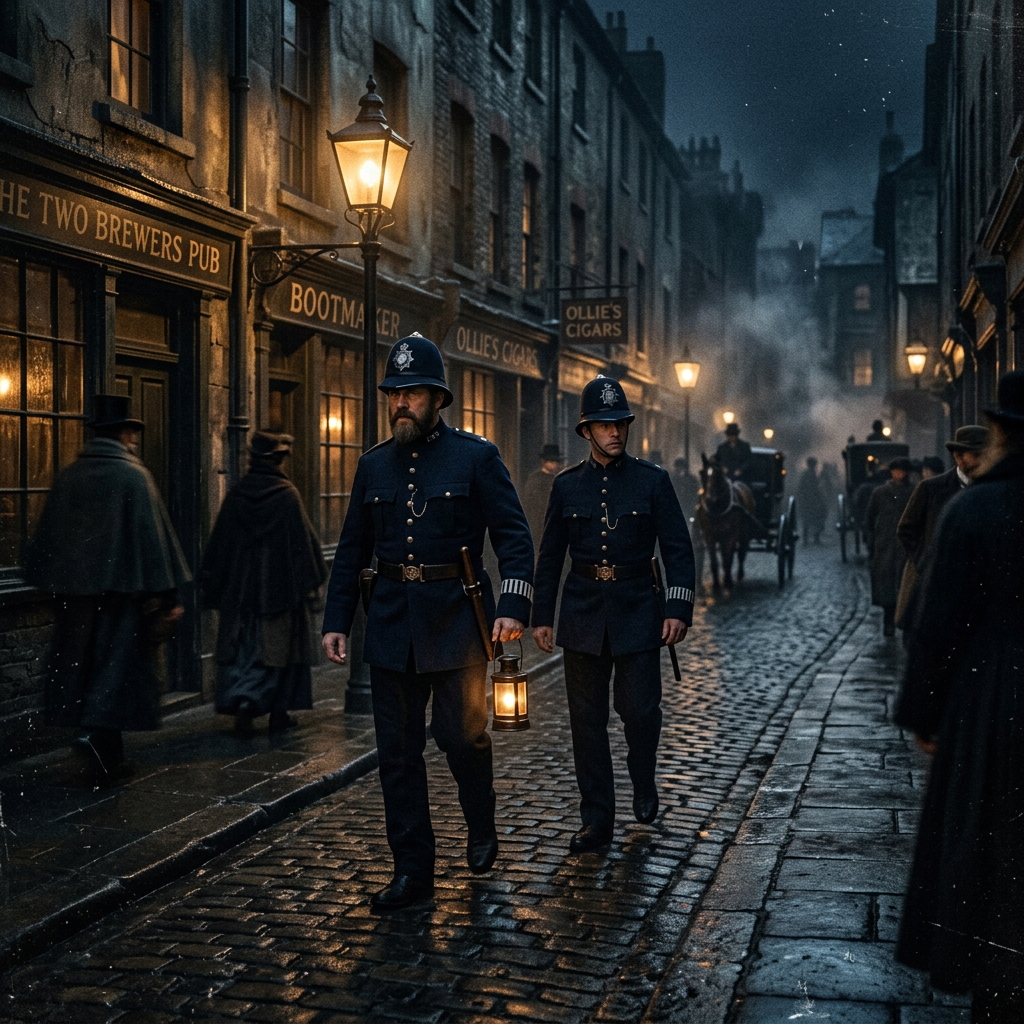
What was needed was a civilian force that could patrol, watch, deter, and break up assemblies, while doing so under the appearance of public service. This is the environment in which modern policing took shape.
For how these foundations shaped colonial policing practice, see O.2. And for how early class‑based suspicion became intertwined with race, see O.3 and O.4.
The Thames River Police: Britain’s first experiment in professional control
Before the Metropolitan Police (the Met) existed, Britain ran a smaller, often overlooked experiment which revealed the true purpose of policing. Founded in 1798, the Thames River Police, are often described as the first modern police force and forerunners of the Met. Introducing organised patrols, which were radical at the time, their main duty was to protect the goods flowing through the Port of London — much of it linked to the transatlantic slave trade — from theft by dockworkers. This force wasn’t established to protect the public, but created to protect cargo.
Workers along the river, often living in poverty and poorly paid, sometimes took goods they viewed as perks from unguarded cargo. While dockers saw this as survival, merchants called it theft. To shipping magnates, the property at risk wasn’t just wealth but the economic spine of the empire.
Patrick Colquhoun: policing as economic management
Considered as the architect of modern policing, Patrick Colquhoun, the main proponent of the Thames River Police, claimed that the poor were taking too much. He argued that the informal customs of dock workers wasn’t just petty pilfering, but an organised threat to national prosperity, and that the state needed to stop them.
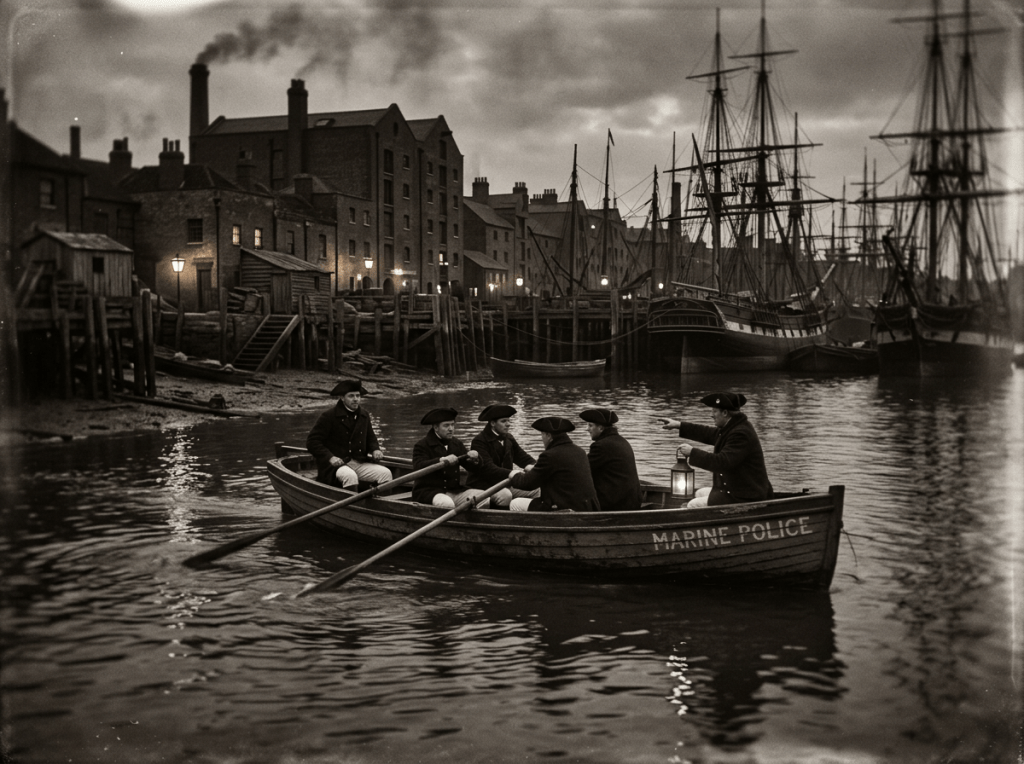
His solution was a salaried, uniformed, disciplined force, patrolling day and night, empowered to use force when necessary. Not to protect the public, but to protect merchants’ property. His approach followed a pattern that would outlast him:
- treat economic risk as a security threat
- assume labourers are potential criminals
- use surveillance as prevention
- accept force as part of maintaining order
These logics remained visible in policing practice long after the River Police themselves were absorbed into the Metropolitan force.
When dockworkers resisted the new force, clashes broke out. But didn’t slow the project, it strengthened it. Colquhoun used the incident to argue for even wider powers, stronger enforcement, and more centralised control. The River Police became a model for a civilian force that protected elite interests more cheaply and more acceptably than the army.
Why the River Police matter
The River Police show that professional policing in Britain did not begin as a public safety project, but as an economic one. The population to be managed was specifically the poor, labouring, and those operating at the edges of a system that depended on their work but not their wellbeing.
The success of the River Police justified expanding the model, which paved the way for the creation of the Metropolitan Police. And with it, the idea of policing by consent — the claim that the police derive their authority from public agreement rather than state force. It’s a powerful idea, but as outlined in Part 2, a myth that has always sat uneasily alongside the reality of how policing actually works.
Conclusion — Seeing Through the Uniform
Modern British policing did not emerge from neutrality or universal consent. It was created to protect property, maintain hierarchy, and manage the dangerous classes. From the Thames River Police onwards, the underlying logic of surveillance, suspicion, and force as legitimate tools for securing economic order have remained consistent.
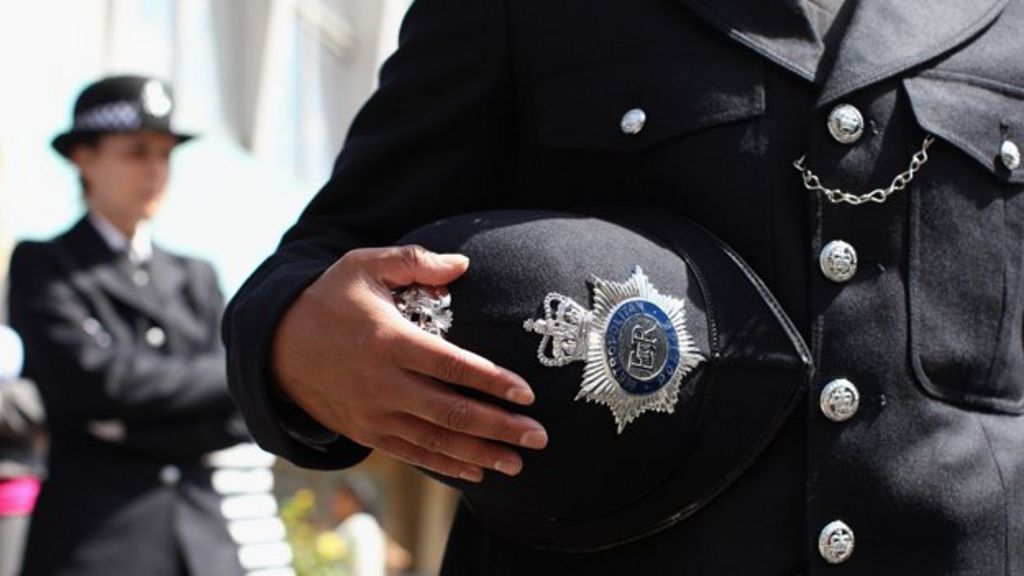
This doesn’t explain everything about modern policing, but helps to explain why distrust, disproportionality, and the cycles of reform — from Scarman to Casey — have proven so persistent. Understanding where the system came from is the first step towards understanding why it behaves as it does.
Bridge to Part 2
Part 1 has shown the material conditions from which policing was born, whose interests it served, and what underlying purpose it was built for. The Thames River Police protected merchants’ cargo; the Metropolitan Police managed the industrial poor. Consent was the language. Control was the work.
But the Police needed a story it could tell about itself. One that made its authority feel legitimate rather than imposed. Part 2 examines where that story came from, why it endured, and what it has consistently concealed.
Part 2 explores:
- how the Peelian myth of consent was constructed after the fact
- how Londoners actually responded when the Metropolitan Police arrived on their streets
- and how the gap between the story policing tells about itself and the way it operates became a permanent feature of the institution
From the origins of the police to the myth that gave them cover.
Next:
Continue to Part 2: Consent or Coercion? Rethinking the Peelian Myth
Explore the Full Series: Governing Through Crisis
Read the Book: Ebook | Paperback | Hardback
Follow & Subscribe: LinkedIn | Bluesky | Twitter | Substack
